How HMDD’s Arc from Vision Turned Into Streetwear Mainstay
Every streetwear label starts with an idea, and HMDD began with a phrase that stuck and never let go: “Happy Memories Don’t Die.” That idea, shortened to HMDD, has evolved from a minor design idea into a recognizable name in contemporary streetwear culture. The label’s growth arc mirrors a wider trend in how indie labels carve out a presence — not via big advertising spend, but through consistent messaging, a clear design identity, and product that people actually want to wear daily. Looking ahead to 2026, this rundown traces that evolution, examines what sets HMDD clothing apart in an oversaturated industry, and offers a straightforward look of where the brand currently stands.
Over the past decade, streetwear as a category has matured considerably. What was once a small scene built around graphic tees and limited drops has broadened out into a all-encompassing lifestyle wardrobe, covering everything from outerwear to loungewear. HMDD stepped into this landscape with a identity-led approach: the phrase “happy memories dont die” isn’t just a tagline, it stands as a philosophy embedded in the brand’s approach to design, marketing, and community building. It’s worth unpacking that philosophy before getting into the product details.
Where the HMDD Vision Began
Instead of springing from a corporate boardroom, the label took a different path. A single idea — that memories, particularly the happy ones, are worth keeping and wearing rather than left in photo albums — served as the starting point for what began as a small-scale effort, in the same way as a lot of streetwear brands have started. The brand name on its own serves as both an identity marker and a guiding principle. A full phrase that customers could repeat, tattoo, or caption on social posts — rather than vague symbols or borrowed street terms — is what HMDD founded its identity on, turning out to be a wiser long-range choice than a generic icon alone.
At the hmmdla outset, the brand’s output was limited. Limited-run drops, a handful of graphic tees, and word-of-mouth marketing carried it through its opening chapter. Such a trajectory is a well-known pattern within streetwear culture — early-era Supreme or Bape are examples of brands that started small before expanding into broader collections. HMDD followed a comparable path, drawing on limited drops and purpose-driven design to grow a dedicated early fanbase rather than chasing broad appeal from day one.
HMDD, unlike countless other startup labels, was defined by consistency of message — that was what set it apart. Each release doubled down on the same emotional core: wistfulness, staying power, and the idea that happy memories outlive tough stretches. Being consistent proved more valuable than trend-chasing, and it’s much of the reason behind why the brand has staying power heading into 2026 rather than disappearing after just a couple of cycles.
From Statement T-Shirts to a Full Collection
Advancing further, its evolution included expanding the catalog past tees and hoodies. HMDD sweatpants and HMDD shorts became important new pieces, transitioning the brand from a graphic-tee label into a fuller loungewear and streetwear system. This expansion mattered because sweatpants and shorts are frequently repurchased pieces — buyers who buy one pair often circle back for a second or third, particularly when sizing and material weight meet what they’re looking for.
HMDD sweatpants are usually framed as an everyday staple rather than a bold showpiece, which fits the brand’s broader identity. Sweatpants and shorts don’t rely on bold graphics the way tees do; they succeed or fail based on fit, stitching quality, and comfort during actual wear. Expanding into this category signaled that HMDD wanted lasting relevance as a all-around clothing label, not just name recognition as a t-shirt company with a clever name.
Shorts followed a comparable logic. HMDD shorts fill the gap between formal streetwear and straight athletic wear, giving customers a piece that works for casual outings, workouts, or simply lounging. This push into a new category stands as one of the strongest markers of brand maturity, taking things from standalone hero pieces to a full wardrobe system built for rotation.
An HMDD Review, Read Closely
Anyone searching for an honest hmdd review online will notice a pattern: customers regularly mention fit, print durability, and overall comfort as deciding factors. Streetwear buyers today are more informed than they were ten years ago. They check stitching quality, examine fabric weight, and read through reviews before buying, particularly for brands lacking a flagship retail presence in every city.
Favorable comments in HMDD review threads often focus on the brand’s ability to keep its message coherent across product types — the “happy memories don’t die” phrase appears deliberately rather than being slapped onto every item without purpose. Critical feedback, where it exists, generally touches on sizing consistency, which is common feedback across nearly every growing streetwear label as they scale production. Brands that listen to this kind of feedback loop tend to correct course quickly, and HMDD’s ongoing product updates suggest active listening rather than static production.
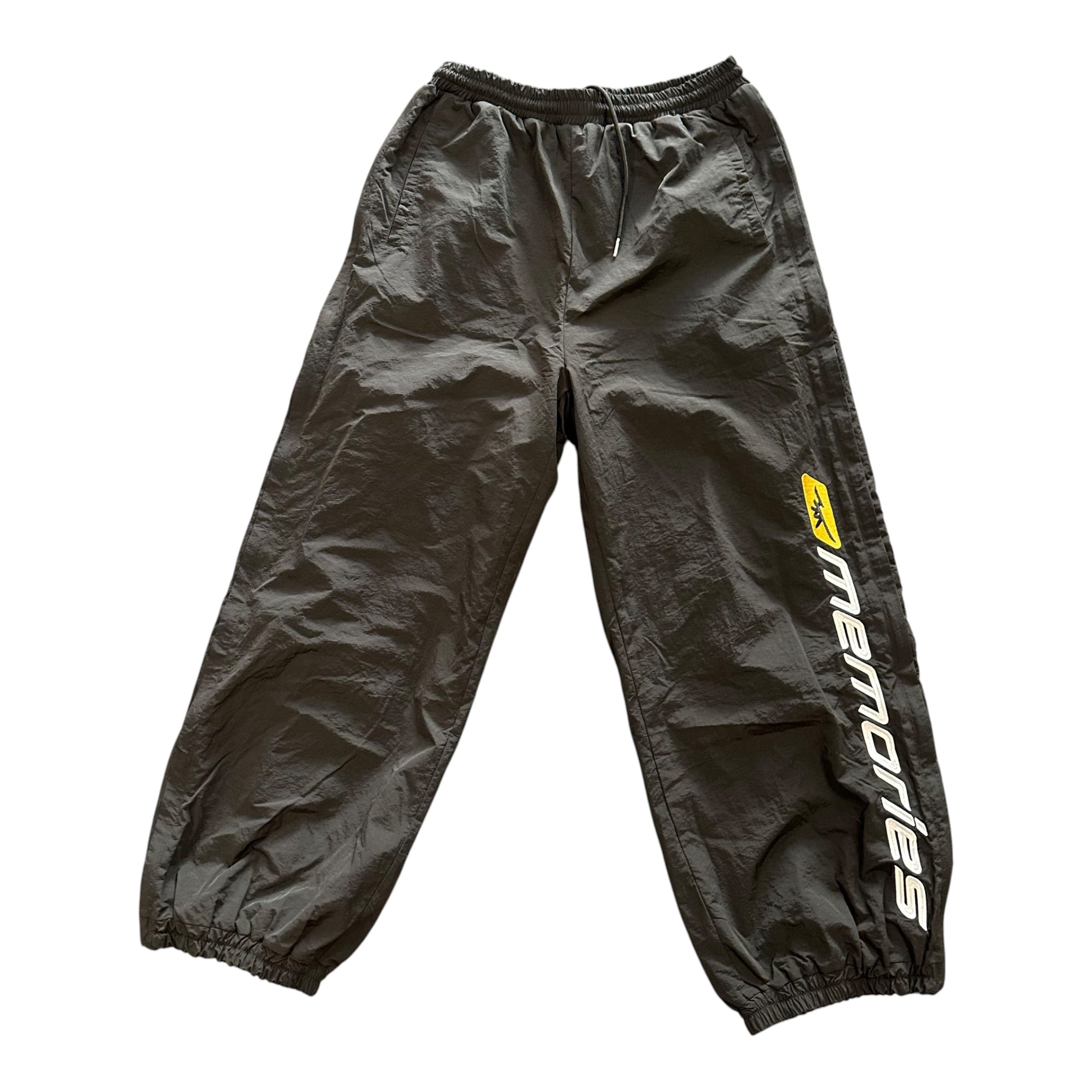
For shoppers trying to determine the best hmdd clothing pieces to start with, reviews regularly highlight the sweatpants and core graphic tees as entry points, with shorts recommended for the hotter months. Because it comes from people who genuinely used the product daily, this kind of grassroots, review-based guidance may be worth more than any marketing campaign.
HMDDLA and the Regional Identity Angle
Local identity have always been central to streetwear, with HMDDLA — the Los Angeles-associated identity tied to the brand — plays into this heritage. Los Angeles has been a breeding ground for streetwear culture for decades, from skate-shop culture to small labels that later achieved global reach. By leaning into an LA-connected identity, HMDD taps into a recognizable lineage of West Coast streetwear culture, giving the brand a geographic anchor point that customers can connect with beyond just the product itself.
This locally-rooted branding play isn’t exclusive to HMDD, but it’s executed with intention here. Instead of just printing a city name across the packaging as an afterthought, the HMDDLA spin strengthens the label’s larger story: memories bound up with geography, time, and belonging. Customers aren’t just getting a product—they’re getting a story to connect with.
Building community organically is also supported by local identity. City-based pop-ups, joint projects, and word-of-mouth expansion in a specific city typically build deeper brand loyalty than strictly online-only labels. Whether HMDDLA persists as a defining brand trait through 2026 will probably be shaped by how dedicated the label stays to real-world visibility as opposed to leaning mainly digital-first.
How HMDD’s Offering Holds Its Own Next To Everyday Streetwear Brands
To get a sense of where HMDD sits in the market, one should compare its general approach against typical streetwear competitor patterns. The chart that follows represents general category tendencies rather than specific price-for-price matchups, since specific competitor pricing is in constant flux.
| Consideration | The Way HMDD Positions Itself | Common Streetwear Competitor |
|---|---|---|
| Identity Statement | An identity rooted in the phrase (“Happy Memories Don’t Die”) | Often centered on the logo, short on narrative |
| Range of Goods | Featuring tees, hoodies, sweatpants, and shorts | Varies widely; a lot of them stay centered on tees and hoodies at the outset |
| Regional Identity | An identity tied to HMDDLA / Los Angeles | Inconsistent; some brands avoid regional connections entirely |
| Scaling Plan | Beginning from small-batch drops that evolve into a complete wardrobe system | Often similar, though scaling speed varies from label to label |
| Customer Feedback Loop | A hands-on approach to sizing adjustments driven by reviews | Inconsistent industry-wide |
Where HMDD Holds Ground in 2026
Moving into 2026, HMDD has carved out a position that a lot of indie streetwear brands strive toward but hardly any attain: a name people know, a steadily widening lineup, and an active community of buyers regularly talking about the label through reviews and search behavior.
The shift from a phrase-driven concept to a multi-category clothing brand wasn’t an overnight transformation, and it distinctly tracked an identical, methodical blueprint seen in other successful streetwear evolutions — launch with a niche focus, earn customer trust, and only then grow with intention.
Beyond the original tee-driven lineup, rolling out sweatpants and shorts makes clear that the brand is planning beyond one hero product. The regional identity tied to HMDDLA brings a dimension of place-based authenticity that resonates with streetwear’s long-standing roots in distinct cities and subcultures. Meanwhile the active discussion tied to HMDD review content — spanning both positive notes and helpful critique — implies a label persistently evolving based on genuine shopper input rather than assumptions.
For those weighing whether to try HMDD clothing as a newcomer, the approach is fairly straightforward: kick off with a foundational item, take note of sizing notes from existing reviews, and move on to sweatpants or shorts once fit preferences are confirmed. How the brand grew from a single resonant phrase into a full-fledged streetwear staple is a reminder that in this industry, clarity and consistency often outlast simply chasing trends — and HMDD’s trajectory through 2026 looks like an extension of that same principle.